Title (English): Geometries of Power: The Kuaiji Inscription, Qin Standardization, and the Disciplining of Script
1. The Monument as Propaganda / 作為政治宣傳的豐碑
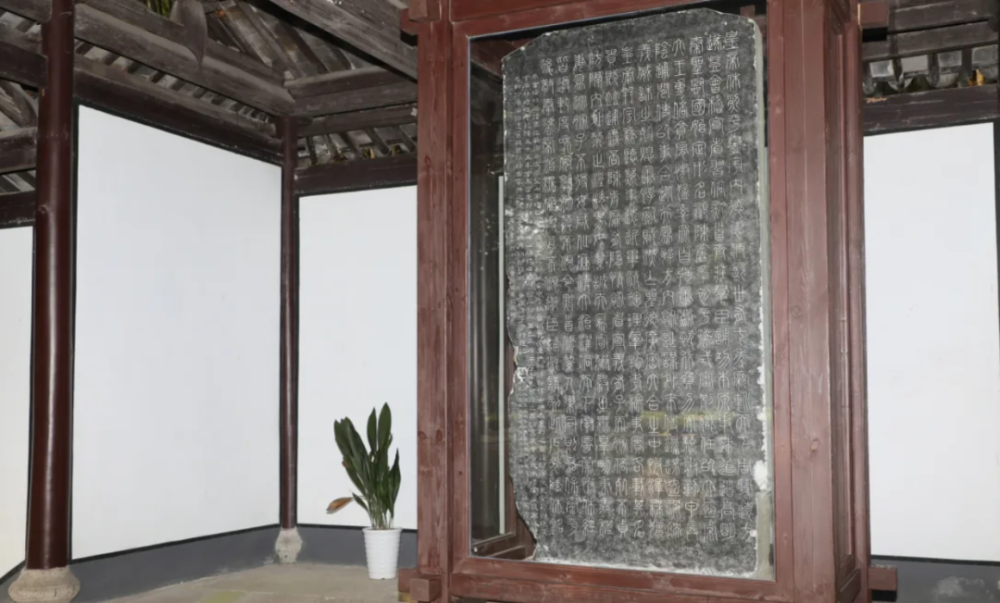
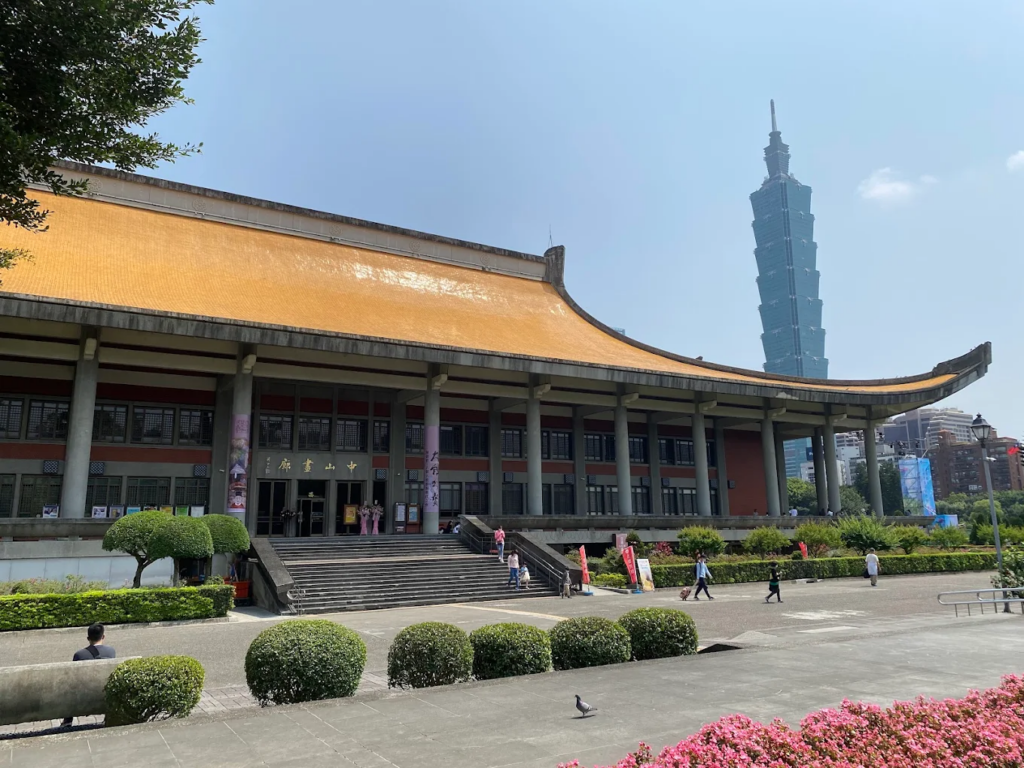
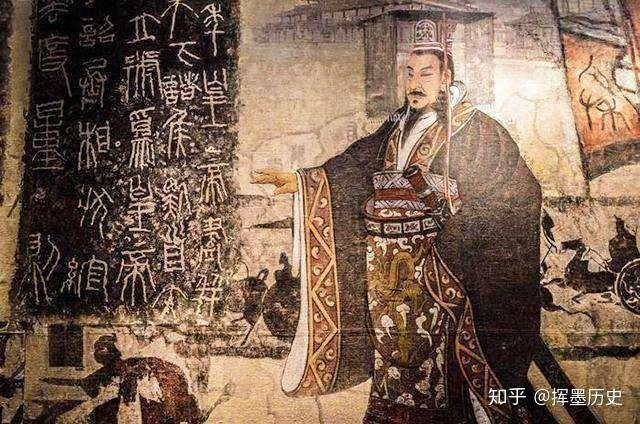
[ZH] 在台北國父紀念館這座具備高度政治隱喻的空間裡,展出《會稽刻石》具有一種互文性的張力。公元前 210 年,秦始皇東巡會稽,命李斯撰文刻石。這不是藝術創作,而是政治宣傳 (Propaganda) 的極致。它透過極度對稱、規整的小篆,向被征服的六國子民宣告:混亂的時代已經結束,單一的標準(Standardization)已經降臨。
[EN] Exhibiting the Kuaiji Shike within the politically charged space of the Sun Yat-sen Memorial Hall in Taipei creates a profound intertextual tension. In 210 BCE, during his eastern tour, Qin Shi Huang ordered Li Si to compose and engrave this inscription. This was not an act of artistic creation, but the apex of Political Propaganda. Through the extreme symmetry and rigid order of the Small Seal script, it announced to the conquered subjects: the era of chaos is over; the reign of a single, absolute Standard has arrived.
2. Foucault and the Disciplining of the Stroke / 福柯與線條的規訓
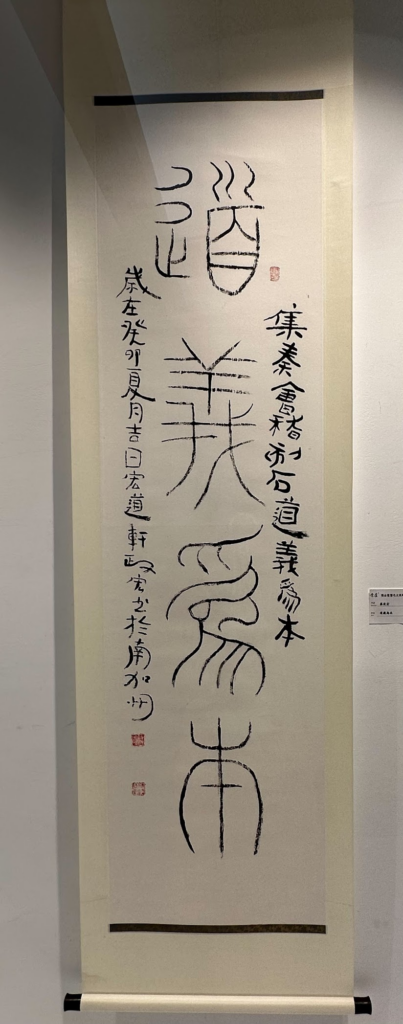
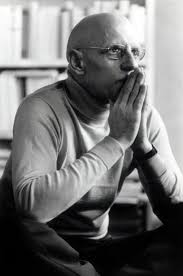
[ZH] 從米歇爾·福柯 (Michel Foucault) 的視角來看,《會稽刻石》是典型的「規訓與懲罰」。秦帝國不僅統一了度量衡,更「規訓」了人類的書寫身體。尚德林老師曾敏銳地指出,這種線條中隱含著一種「冷峻的意志」。相較於先秦石鼓文的原始生命力,《會稽》的線條是被過度矯正、被權力修剪過的成果。它要求書寫者的手部肌肉必須服從於帝國的幾何美學,這正是古代中國最早的「生物權力 (Biopower)」實踐。
[EN] From the perspective of Michel Foucault, the Kuaiji inscription is a textbook case of “Discipline and Punish.” The Qin Empire did not merely unify weights and measures; it “disciplined” the writing body itself. As Master Shang Delin astutely observed, there is a “chilling will” embedded within these strokes. Unlike the raw, primal vitality of the pre-Qin Stone Drum Script, the lines of Kuaiji are over-corrected, pruned by the shears of state power. It demands that the calligrapher’s musculature submit to the empire’s geometric aesthetics—an early practice of “Biopower” in ancient China.
3. East vs. West: The Architecture of Sovereignty / 中西政治邏輯的對比
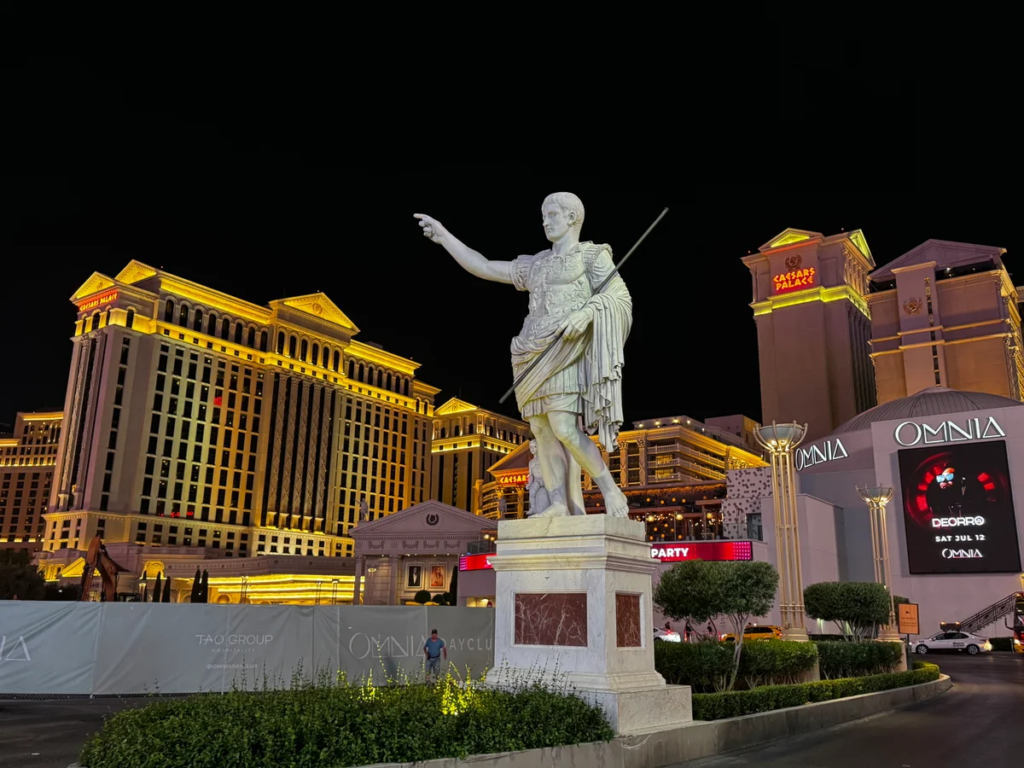
[ZH] 《會稽刻石》與西方羅馬帝國的石刻(如圖拉真柱)有著截然不同的邏輯。羅馬石刻強調敘事與寫實的雕塑感,而秦帝國則選擇了「抽象的文字」作為統治的符號。這種對「文字統一」的近乎偏執的追求,奠定了東方政治中「中央集權」與「文化同質化」的基因。在國父紀念館的迴廊中,這些文字無聲地述說著:在東方,控制了符號,就控制了文明的定義權。
[EN] The Kuaiji inscription operates on a fundamentally different logic compared to Western Roman monuments, such as Trajan’s Column. While Roman inscriptions emphasize narrative and plastic realism, the Qin Empire chose “abstract script” as the primary symbol of sovereignty. This almost obsessive pursuit of “scriptual unification” laid the genetic foundation for Eastern “Centralization” and “Cultural Homogenization.” In the corridors of the Memorial Hall, these characters silently declare: in the East, to control the symbol is to control the very definition of civilization.